Dynamic Sales Workflows
4 Best Practices to Optimize Your Sales Calling Workflow
The Regie Team
|
Jun 21, 2026
Introduction
Disorganized sales processes lead to missed opportunities and lost revenue. Organizations with structured processes see 28% more revenue growth, making optimization critical for sales teams. Here are four best practices to streamline sales calls and improve effectiveness:
- Establish clear objectives for each call.
- Use a standardized script to ensure consistency.
- Train sales representatives on active listening techniques.
- Follow up promptly after each call to maintain engagement.
Define Your Sales Calling Workflow Stages
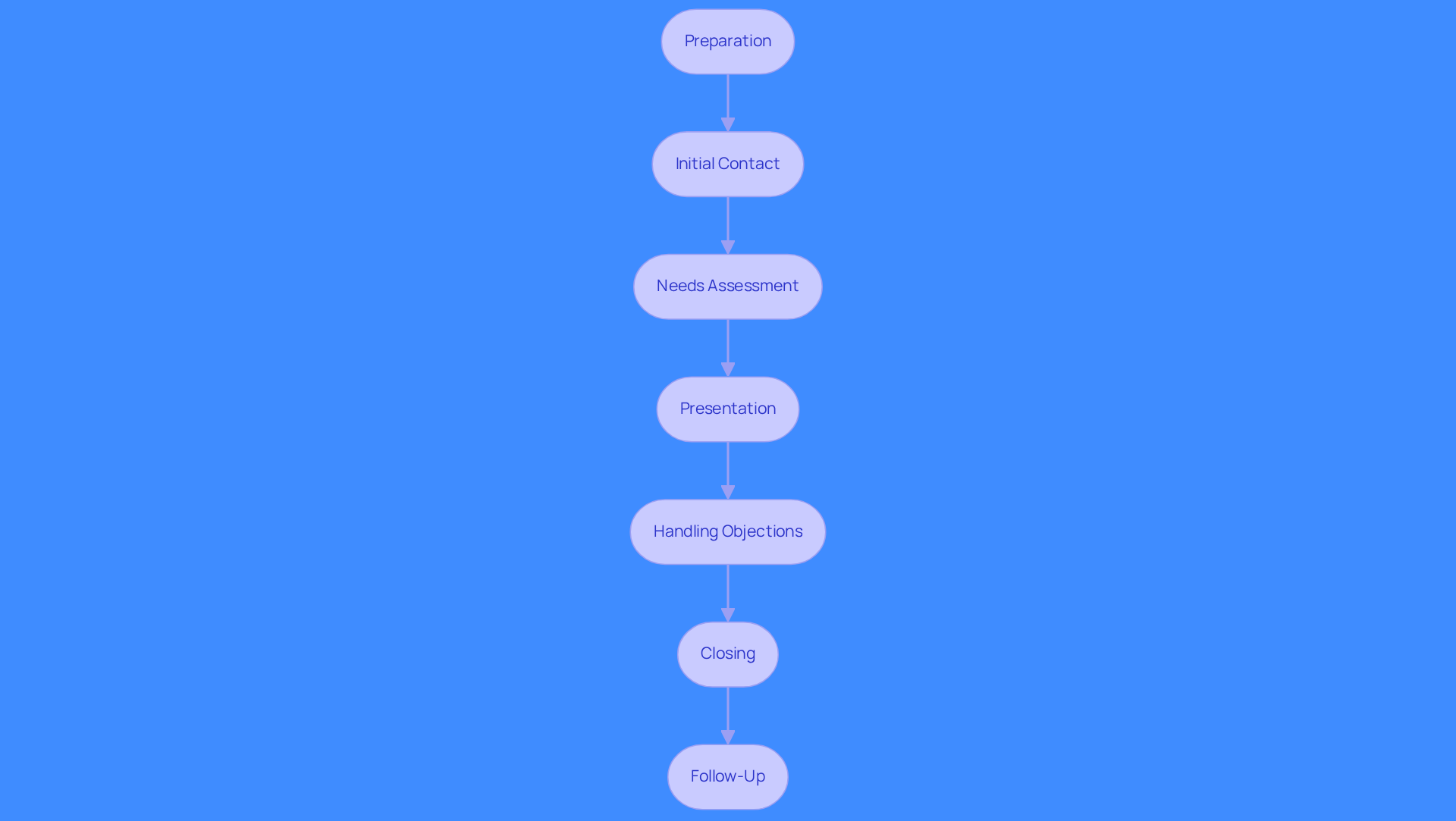
A disorganized calling process can hinder your sales team's effectiveness and revenue potential. Research shows that organizations with a structured selling process see 28% more revenue growth than those without. Common stages in an effective sales calling workflow include:
- Preparation: Conduct thorough research on potential clients to gather relevant information that tailors your approach.
- Initial Contact: Make the first call, introducing yourself and your company while establishing rapport for a positive first impression.
- Needs Assessment: Use open-ended questions to explore the potential client's needs and pain points, ensuring you understand their challenges.
- Presentation: Present your solution, emphasizing how it addresses the potential client's unique challenges and requirements.
- Handling Objections: Be ready to address any concerns or objections the prospect may raise, demonstrating understanding and flexibility.
- Closing: Request the transaction or arrange a follow-up meeting to discuss next steps, ensuring clarity on the path forward.
- Follow-Up: After the conversation, send a thank-you email along with any additional information promised, reinforcing your commitment to their needs.
Clearly defining these stages helps marketing teams structure each call in the sales calling workflow. This leads to more effective outcomes. This organized method not only enhances engagement but also significantly increases your chances of closing deals, as representatives with a precise revenue pipeline are 56% more likely to achieve their targets.
Utilize Technology for Enhanced Workflow Automation
Many sales teams struggle with inefficient sales calling workflows and fragmented tech stacks that hinder their performance. To tackle these challenges, consider the following strategies:
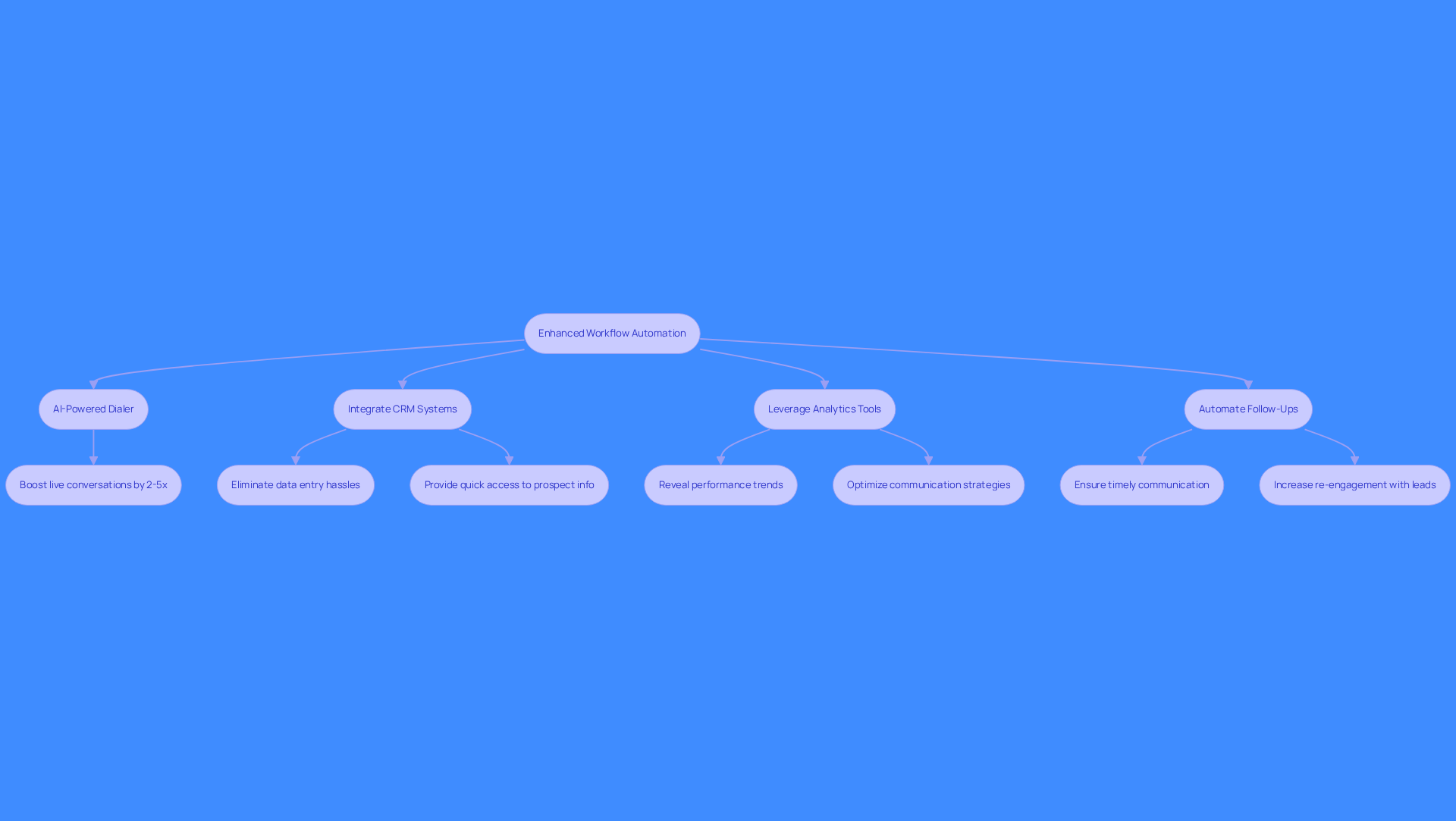
- Implement an AI-Powered Dialer: AI-driven dialing solutions can boost live conversations by 2-5 times per hour, enhancing sales performance without sacrificing quality.
- Integrate CRM Systems: Integrating your CRM with calling tools eliminates data entry hassles and provides quick access to prospect information. Regie.ai's AI calling agents automatically log CRM data, recordings, and notes from conversations, reducing administrative workload and allowing reps to focus on selling.
- Leverage Analytics Tools: Advanced analytics reveal performance trends and optimize communication strategies. Real-time analytics in Regie.ai's AI dialers assist in analyzing metrics such as volume and connection rates, guiding teams to enhance performance and improve overall efficiency.
- Automate Follow-Ups: Establish automated follow-up emails or reminders based on conversation results to sustain engagement with potential clients. Automated follow-ups ensure timely communication and increase re-engagement with leads, thanks to Regie.ai's customizable AI dialers.
By utilizing these technologies, including Regie.ai's dynamic sales calling workflow that adjusts outreach based on engagement, persona, and intent signals, teams can significantly decrease the time spent on repetitive tasks. This shift allows teams to focus on meaningful interactions that drive revenue growth.
Personalize Outreach to Improve Engagement
Sales teams often face challenges with generic outreach that fails to resonate with potential clients. Here are effective strategies to implement personalization:
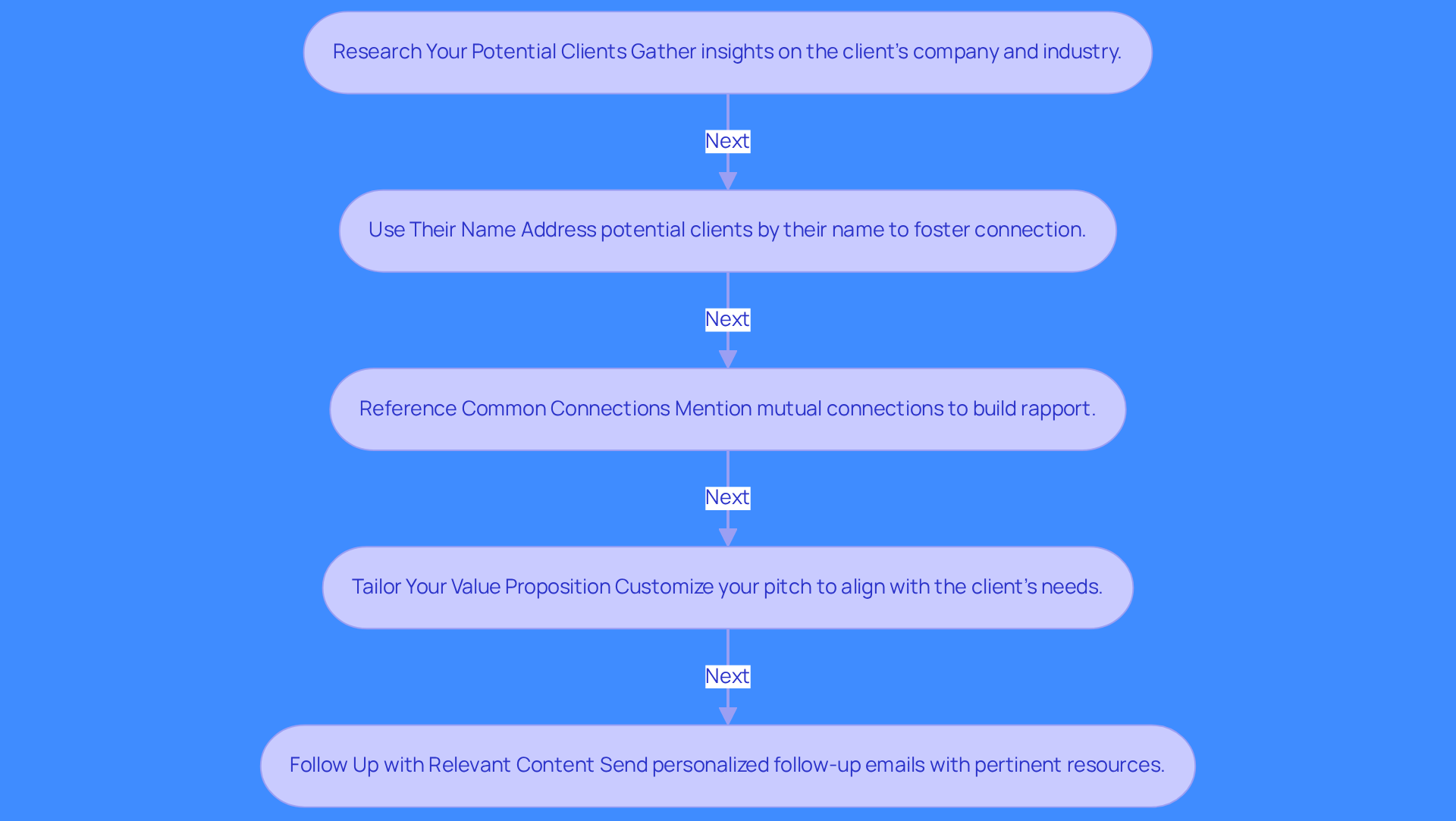
- Research Your Potential Clients: Gather insights on the client's company and industry before your call to ensure your outreach is relevant. With Regie.ai, leverage over 100 signals from sources like Google and LinkedIn to prioritize leads based on real buying intent, ensuring your outreach is timely. Regie.ai builds trust through its reliable data-driven insights, ensuring your outreach is timely and relevant.
- Use Their Name: Addressing potential clients by their name fosters a personal connection and shows that you value them as individuals, making the interaction feel more meaningful.
- Reference Common Connections: Mentioning mutual connections or shared experiences can help build rapport and trust, creating a more comfortable atmosphere for discussion.
- Tailor Your Value Proposition: Customize your pitch to align with the potential client's unique pain points and needs. This approach shows how your solution can specifically address their challenges, enhancing the relevance of your message. Regie.ai's AI Agents dynamically adjust outreach based on engagement, persona, and intent signals, enabling you to create personalized messaging that resonates with each potential client.
- Follow Up with Relevant Content: After the call, send personalized follow-up emails that include resources or information pertinent to the discussion. This reinforces your commitment to their needs and keeps the conversation going. Continuous testing of your outreach strategies, including the use of dynamic templates, can help maintain a personal touch while scaling your efforts.
Implementing these strategies enhances engagement and trust, which drives better outcomes in the sales calling workflow. With Regie.ai's comprehensive data enrichment and signal monitoring solutions, you can enhance your outreach efforts and build more pipeline with less manual effort.
Measure Success and Iterate on Your Workflow
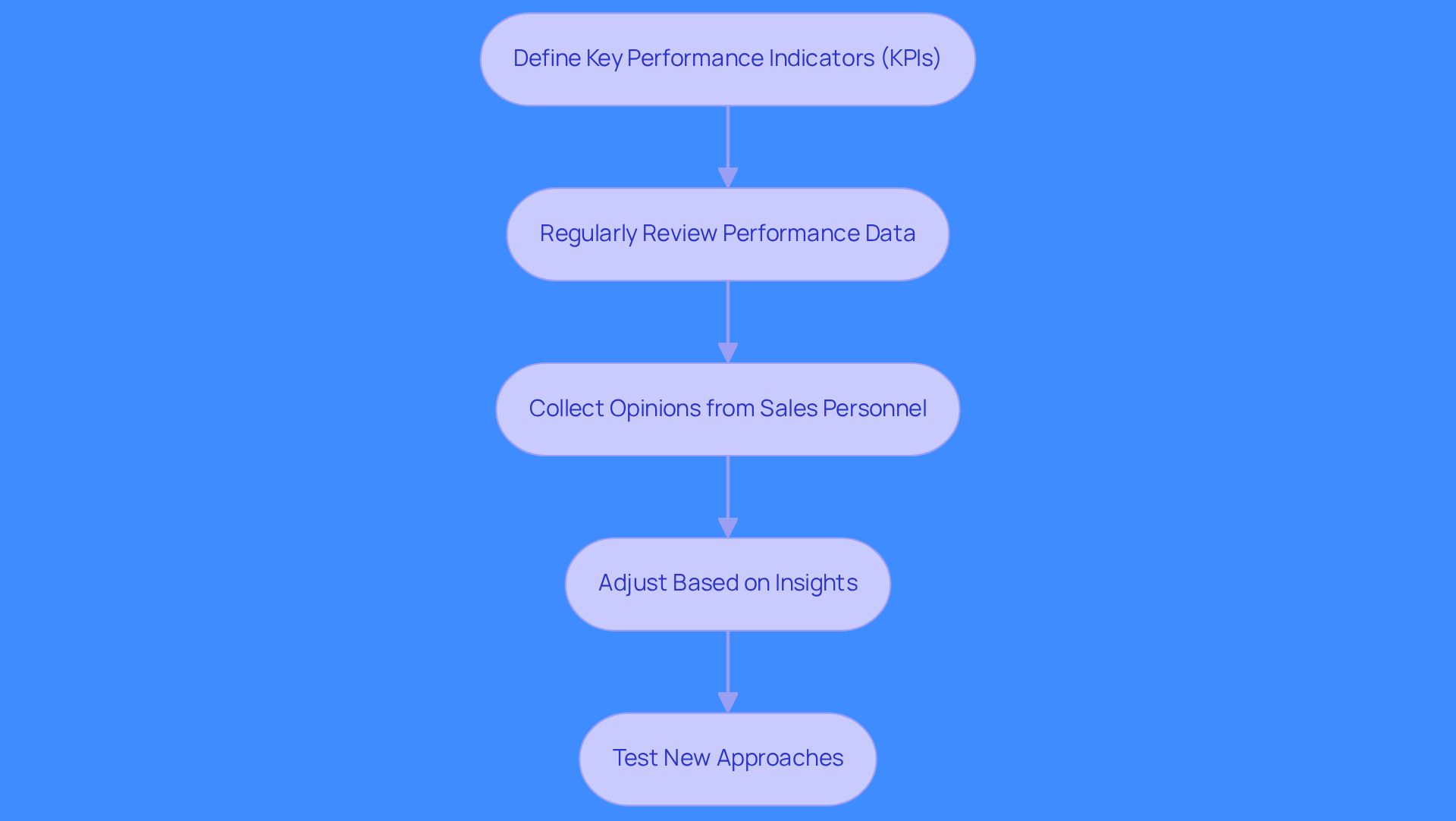
Measuring success in your sales calling workflow is essential for driving revenue outcomes.
- Define Key Performance Indicators (KPIs): Establish metrics like call-to-conversion rates and average call duration. These KPIs show how well your marketing translates into results.
- Regularly Review Performance Data: Conduct frequent assessments to identify trends and keep your processes aligned with business goals.
- Collect Opinions from Sales Personnel: Sales team feedback uncovers bottlenecks that data alone might miss, driving continuous improvement.
- Adjust Based on Insights: Adjustments could include refining scripts or optimizing call times to boost effectiveness.
- Test New Approaches: Embrace experimentation with new strategies or technologies. Assess their impact on revenue performance.
With Regie.ai's pricing starting at $35K, you can implement a smarter calling strategy that directly impacts your bottom line.
Conclusion
Sales teams face significant challenges in optimizing their calling workflows, impacting efficiency and revenue growth. Clearly defining each stage of the calling process helps sales teams engage better and close more deals. Using technology like Regie.ai helps teams automate repetitive tasks, letting them focus on meaningful client interactions.
Key strategies include:
- Using AI tools for workflow automation
- Personalizing outreach
- Measuring success with clear KPIs
These practices improve sales call effectiveness and help teams adapt their strategies for better results. Embracing these practices and using Regie.ai can lead to significant improvements in sales calling outcomes. Now is the time to streamline your sales calling workflow and leverage technology for measurable results.
Frequently Asked Questions
Why is having a structured sales calling workflow important?
A structured sales calling workflow is crucial because it can significantly enhance a sales team's effectiveness and revenue potential. Research indicates that organizations with a structured selling process experience 28% more revenue growth compared to those without.
What are the common stages in an effective sales calling workflow?
The common stages in an effective sales calling workflow include: 1. Preparation 2. Initial Contact 3. Needs Assessment 4. Presentation 5. Handling Objections 6. Closing 7. Follow-Up
What does the preparation stage involve?
The preparation stage involves conducting thorough research on potential clients to gather relevant information that tailors your approach for the call.
What is the goal of the initial contact stage?
The goal of the initial contact stage is to make the first call, introduce yourself and your company, and establish rapport to create a positive first impression.
How do you conduct a needs assessment during a sales call?
During the needs assessment stage, you use open-ended questions to explore the potential client's needs and pain points, ensuring you understand their challenges.
What should be included in the presentation stage?
In the presentation stage, you should present your solution while emphasizing how it addresses the potential client's unique challenges and requirements.
How should objections be handled during a sales call?
When handling objections, be prepared to address any concerns or objections the prospect may raise, demonstrating understanding and flexibility.
What is the purpose of the closing stage?
The purpose of the closing stage is to request the transaction or arrange a follow-up meeting to discuss next steps, ensuring clarity on the path forward.
What should be done after the sales call?
After the conversation, you should send a thank-you email along with any additional information promised, reinforcing your commitment to the potential client's needs.
How does a defined sales calling workflow impact sales outcomes?
Clearly defining the sales calling workflow stages helps marketing teams structure each call, leading to more effective outcomes. Representatives with a precise revenue pipeline are 56% more likely to achieve their targets, significantly increasing the chances of closing deals.
List of Sources
- Define Your Sales Calling Workflow Stages
- Sales Process Workflow: Stages, Examples for Businesses (https://bluwave.net/blogs/sales-process-workflow)
- Mastering the Sales Cycle: 4 Stages to Drive Growth and Customer Loyalty | AnswerNet (https://answernet.com/blog-business-tips-master-4-stages-sales-cycle)
- Sales Pipeline Stages: How to Build the Ultimate Sales Process | Pipefy (https://pipefy.com/blog/sales-pipeline-stages)
- How to Build a Sales Process: A Complete Guide (https://salesforce.com/sales/process)
- Importance of a Structured Sales Process (https://linkedin.com/top-content/sales/importance-of-sales-fundamentals/importance-of-a-structured-sales-process)
- Utilize Technology for Enhanced Workflow Automation
- 45+ Business Process Automation Stats, Facts & Trends (2026) (https://2am.tech/blog/business-process-automation-statistics-facts-trends)
- AI outbound calling agents: 5 proven ways to scale your sales team (https://monday.com/blog/crm-and-sales/ai-outbound-calling-agents)
- Parallel Dialer vs. Power Dialer: What’s the best choice? (https://nooks.ai/blog-posts/ai-power-dialers-the-future-of-cold-call-efficiency)
- What Is an AI Dialer? How It Works & Why Sales Teams Love It (https://nextiva.com/blog/what-is-an-ai-dialer.html)
- The Future of Cold Calling: AI Tools to Watch (https://saleshive.com/blog/ai-future-cold-calling-tools-watch)
- Personalize Outreach to Improve Engagement
- Customer Engagement Personalization for Sales and Contact Centers: Techniques and Technology (https://amctechnology.com/resources/blog/enhancing-customer-engagement-through-personalization)
- Planning Personalized Outreach? Let Us Execute Together! | Tapistro (https://tapistro.com/blog/planning-personalized-outreach-let-us-execute-together)
- How to Personalize Sales Outreach for B2B Teams (https://pipeline.zoominfo.com/sales/sales-call-personalization)
- How to Use AI for a Personalized Sales Outreach Strategy (https://conquer.io/resource/how-to-use-ai-for-a-personalized-sales-outreach-strategy)
- Personalizing Sales Calls for Higher Engagement (https://linkedin.com/top-content/sales/personalizing-sales-outreach/personalizing-sales-calls-for-higher-engagement)
- Measure Success and Iterate on Your Workflow
- 6 Sales Call Metrics for Measuring Performance (https://allego.com/blog/sales-call-performance-metrics)
- How to measure sales productivity through sales calls (https://geckoboard.com/blog/how-to-measure-sales-productivity-through-the-success-of-sales-calls)
- How to Measure Sales Performance Metrics That Drive Results | Blog | Salesscreen (https://salesscreen.com/blog/sales-performance-metrics)
- How to Measure Sales Coaching Effectiveness: Metrics That Matter | Aviso Blog (https://aviso.com/blog/measure-sales-coaching-effectiveness-metrics)
- 5 Easy Steps to Track Sales Call Performance and Measure Success (https://salestrail.io/blog/how-to-track-sales-calls)