Context Graphs article from Foundation Capital
Regie AI
|
Jan 7, 2026
Context Graphs, AI Sales Agents, and the Future of AI Prospecting Tools
AI sales agents and AI prospecting tools are everywhere—but most still operate like clever automations: they write messages, sequence steps, and pull data from a CRM. Foundation Capital’s new article argues the real breakthrough comes when AI can use connected context and learn from what happened before. That requires capturing not just what teams did, but why they did it—then using that “why” to make better decisions in the future.
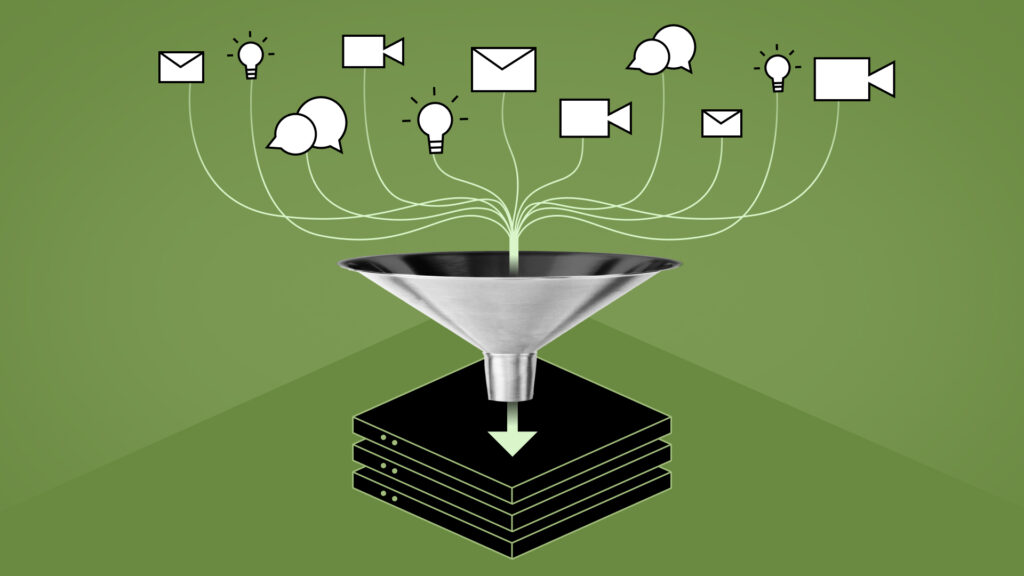
The article introduces a powerful concept: context graphs. When organizations store decision records (the rationale behind actions, approvals, exceptions, and outcomes), “why” becomes first-class data. Over time, these decision records form a context graph: the entities businesses already care about (accounts, renewals, tickets, policies, approvers—even agent runs) connected by decision events and “why” links. The result is a system that helps teams improve judgment, not just speed.
What is a context graph (in plain English)?
A context graph is a connected map of an account’s reality: people involved, past decisions, constraints, approvals, signals, and outcomes—linked together so an AI system can answer, “What’s happening here, what should we do next, and why?”
This is the missing layer between:
- Data systems (CRMs, engagement tools, support tools) that store records
- and AI sales agents that need decision-quality context to take the right actions
Why decision records matter for AI sales agents
Sales efficiency doesn’t come from sending more messages. It comes from making fewer wrong moves—bad timing, wrong persona, incorrect assumptions, missed buying signals, or repeating mistakes the team already learned.
Decision records capture what mattered in the moment:
- what signals were considered
- what exception was made and why
- who approved it
- what happened after
When AI prospecting tools can access that history, agents can behave more like your best reps: they use precedent, recognize patterns, and apply context—rather than blindly following generic rules.
How context graphs improve sales efficiency
Foundation Capital emphasizes that context graphs make AI behavior more trustworthy because teams can audit and debug autonomy. Instead of “the agent did something weird,” you can trace the decision path and improve it. And instead of re-learning edge cases in Slack every quarter, exceptions turn into searchable precedent.
That’s sales efficiency in the way leaders actually care about:
- fewer wasted touches
- faster path to the right next step
- better handoffs and approvals
- more consistent outcomes across the team
Why this matters now for AI prospecting tools
The next wave of AI prospecting isn’t just content generation. It’s context-driven action:
- agents gather full account context across systems
- propose the next best actions
- escalate judgment calls to humans
- and record the “why” so the org gets smarter over time
That’s how AI sales agents become genuinely useful: not as replacements for reps, but as systems that help teams apply collective knowledge at scale.
Read the full article
https://foundationcapital.com/context-graphs-ais-trillion-dollar-opportunity/