Sales Enablement and Training
4 Best Practices for an Effective SecOps Outreach Strategy
The Regie Team
|
Aug 14, 2026

Introduction
Cyber threats are evolving rapidly, and organizations must adapt their SecOps outreach strategies to stay ahead. Organizations often find their outreach efforts disjointed and reactive, leading to missed opportunities in threat mitigation. This article outlines four best practices that can transform SecOps outreach from a reactive measure into a strategic advantage, ensuring organizations stay one step ahead in the ever-evolving landscape of cybersecurity.
Define Clear Objectives for SecOps Outreach
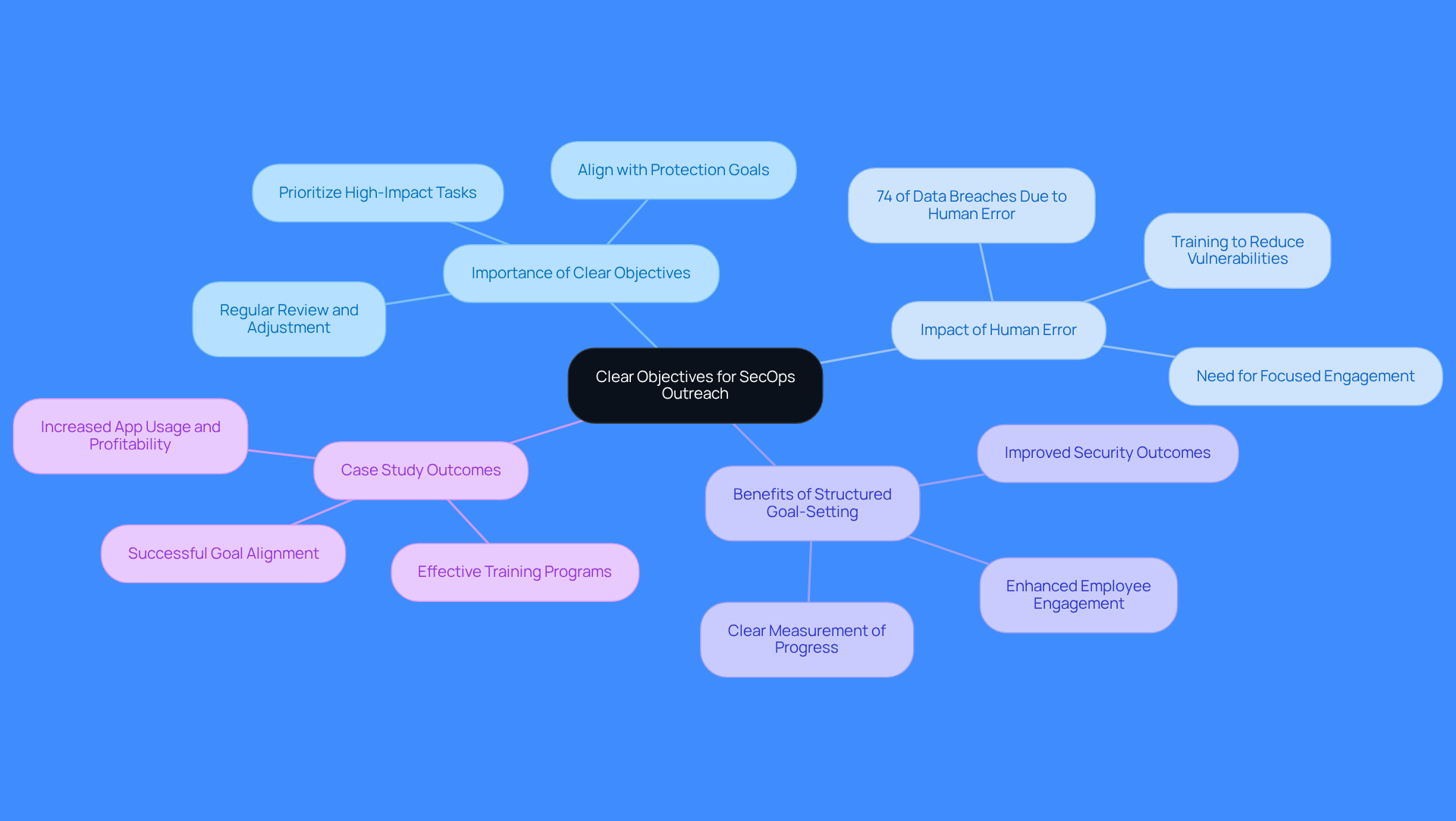
Establishing clear objectives is essential for an effective secops outreach strategy that aligns with your organization's protection goals. These goals help your team prioritize high-impact tasks, making every engagement initiative intentional and effective. Regularly review and adjust these objectives to keep them relevant and effective against evolving threats.
Human error causes 74% of data breaches, emphasizing the necessity of implementing a secops outreach strategy for focused engagement. Clear objectives lead to improved awareness and reduced vulnerabilities.
Case studies show that organizations using structured goal-setting frameworks see significant improvements in their security outcomes.
Integrate Essential Tools and Technologies
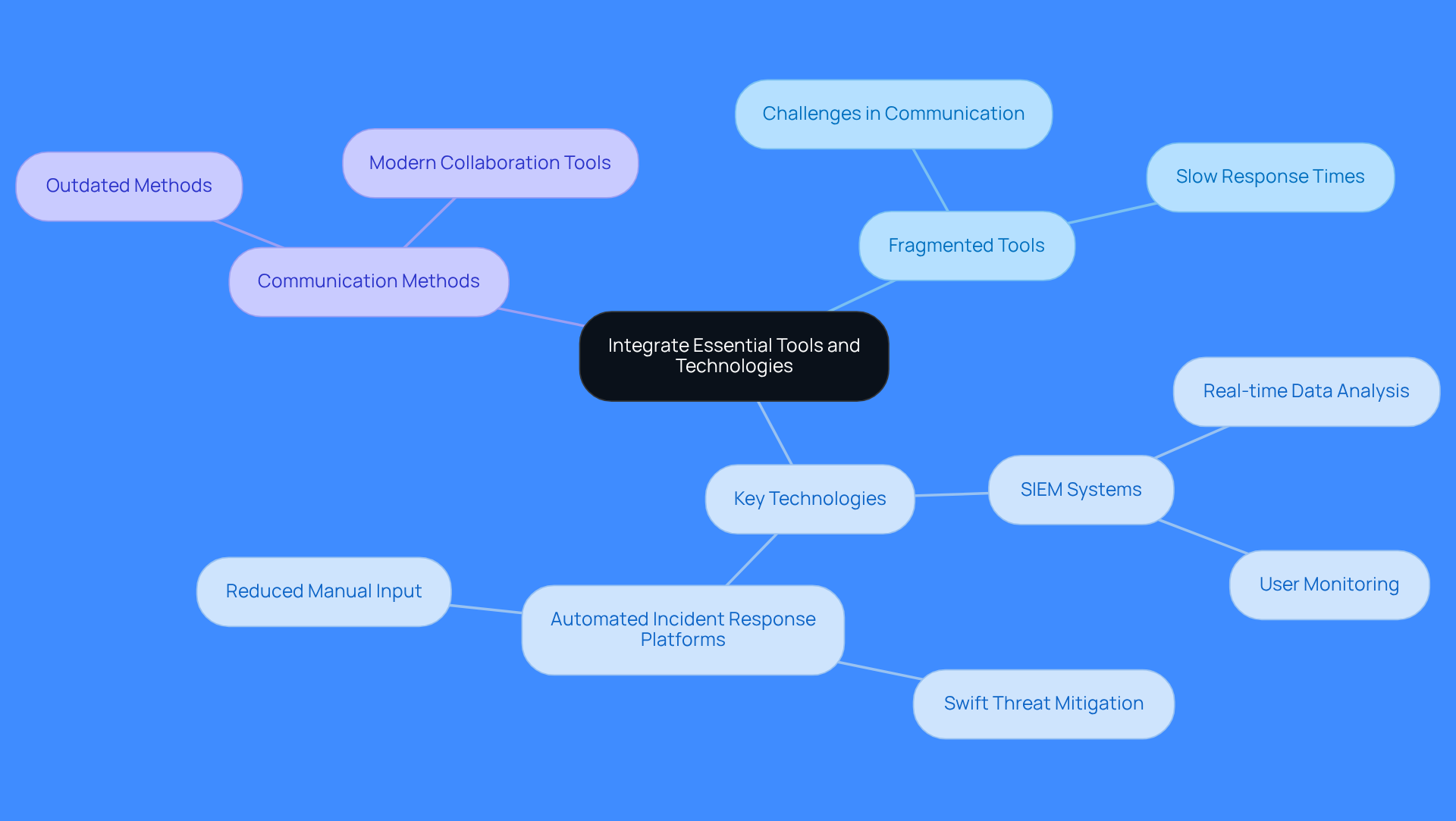
Many SecOps teams struggle with fragmented tools that hinder effective communication and slow down response times. Key tools like SIEM systems analyze data in real-time, while automated incident response platforms tackle threats swiftly without manual input. Outdated communication methods between protection and IT teams can lead to misalignment and slow responses; modern collaboration tools are essential to bridge this gap. These technologies streamline operations, enabling your SecOps team to respond to threats faster and more effectively. Failing to consolidate your tools could leave your team vulnerable and reactive instead of proactive in the face of threats.
Establish Continuous Monitoring and Feedback Loops
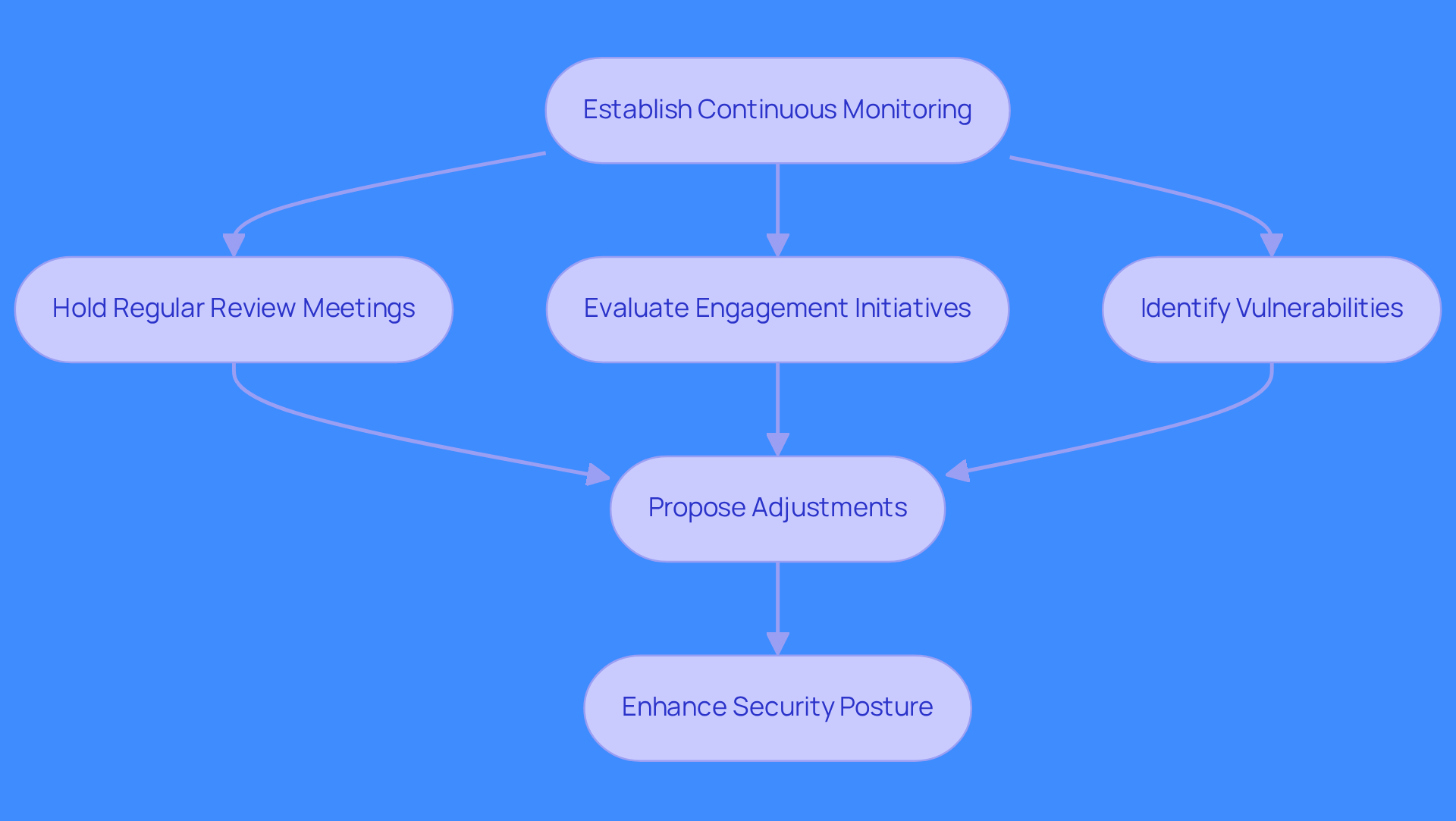
Operational inefficiencies in SecOps can leave your organization vulnerable to emerging threats. Make continuous monitoring and feedback loops central to your SecOps outreach strategy. Evaluating engagement initiatives often reveals gaps in effectiveness, leading to wasted resources and missed opportunities.
- Hold regular review meetings to discuss findings and propose adjustments.
- A culture of ongoing enhancement is essential for your SecOps outreach strategy, ensuring that the team remains agile against emerging threats.
- Organizations that adopt continuous monitoring see better incident detection and faster response times.
- Prioritizing continuous monitoring leads to faster incident response and improved overall security posture.
- Watch out for pitfalls like alert fatigue that can undermine effective monitoring.
- Proactively identifying vulnerabilities allows you to address risks before they escalate.
Invest in Team Training and Skill Development
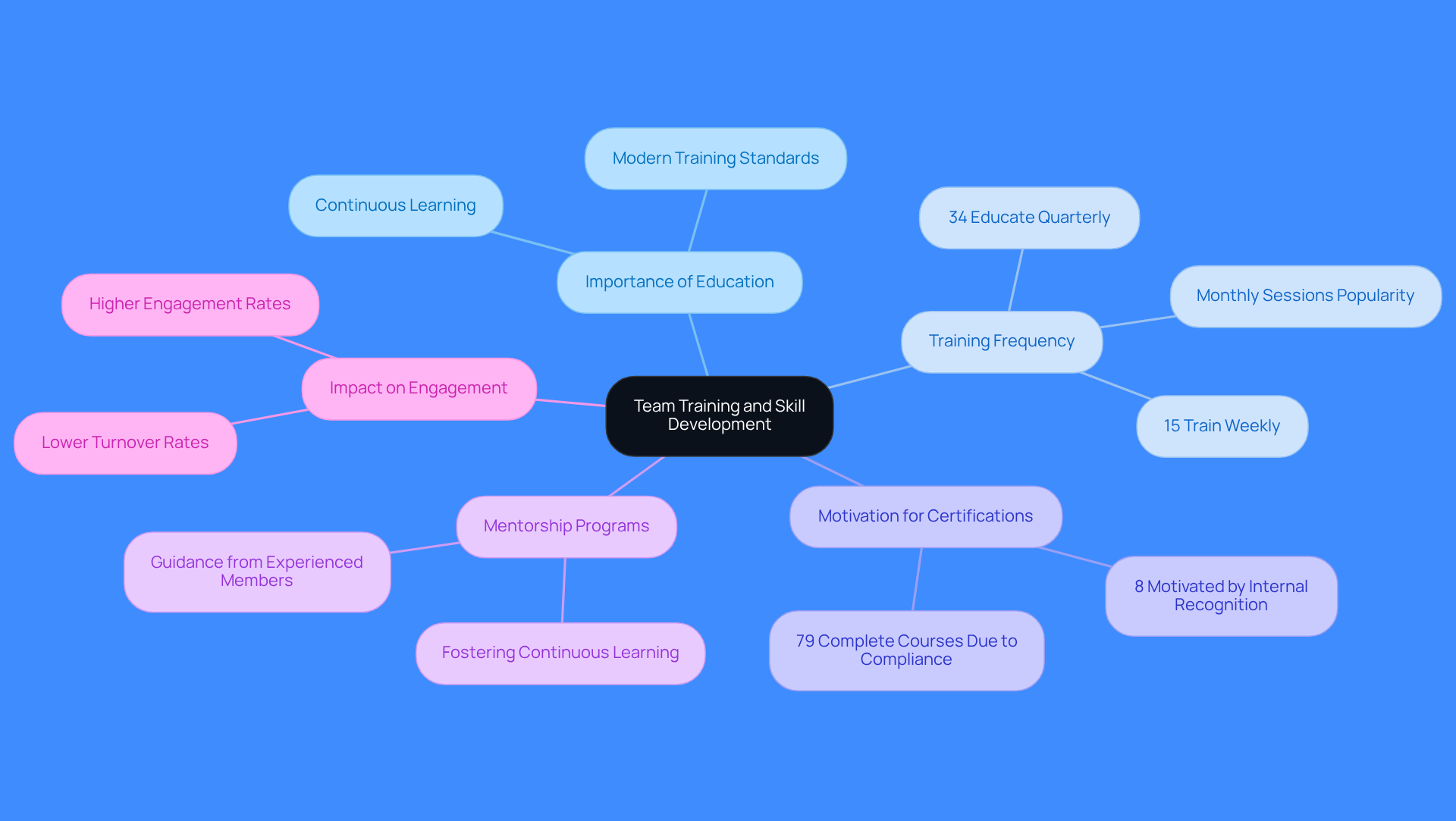
SecOps outreach struggles without a strong focus on education and skill development. Consistent practice sessions on the latest risks, tools, and methods are crucial. Organizations that prioritize regular training see improved security outcomes and reduced risks. Statistics show that 34% of organizations educate their protection groups quarterly, while 15% hold sessions weekly. This commitment keeps teams informed about evolving threats.
Motivating group members to pursue certifications and attend workshops on emerging technologies enhances their capabilities. Mentorship programs allow experienced members to guide newer personnel, fostering continuous learning. This prepares your SecOps team to address challenges and strengthens the secops outreach strategy, resulting in a more secure organization.
Organizations with structured development programs see lower turnover and higher engagement rates. For instance, 79% of employees complete cybersecurity courses due to mandatory compliance, highlighting the impact of organized instruction on participation. However, low engagement in training programs hampers the effectiveness of the secops outreach strategy. Addressing these challenges while investing in team development is essential for a robust secops outreach strategy that drives measurable results.
Conclusion
Many organizations struggle with fragmented security strategies that leave them vulnerable to evolving threats. Defining clear objectives and integrating essential tools allows organizations to proactively address current threats and anticipate future challenges.
Setting specific goals aligned with protection aims and utilizing advanced technologies streamlines communication and fosters continuous improvement. Prioritizing team training equips personnel with the latest skills to effectively tackle evolving threats. A robust SecOps outreach strategy builds a resilient framework that adapts to the dynamic cybersecurity landscape.
Adopting these practices positions SecOps teams to lead in security innovation.
Frequently Asked Questions
Why is it important to define clear objectives for SecOps outreach?
Defining clear objectives is essential for an effective SecOps outreach strategy as it aligns with your organization's protection goals, helps prioritize high-impact tasks, and ensures that every engagement initiative is intentional and effective.
What percentage of data breaches are caused by human error?
Human error causes 74% of data breaches, highlighting the necessity of implementing a SecOps outreach strategy for focused engagement.
How do clear objectives impact security outcomes?
Clear objectives lead to improved awareness and reduced vulnerabilities, and organizations using structured goal-setting frameworks see significant improvements in their security outcomes.
How often should SecOps objectives be reviewed and adjusted?
SecOps objectives should be regularly reviewed and adjusted to keep them relevant and effective against evolving threats.
List of Sources
- Define Clear Objectives for SecOps Outreach
- How to get employees to write smart, clear objectives to improve performance | OneAdvanced (https://oneadvanced.com/resources/how-to-get-employees-to-write-smart-clear-objectives-to-improve-performance)
- How to write SMART goals (with examples) (https://atlassian.com/blog/teamwork/how-to-write-smart-goals)
- Tools and Training - Objectives and Goals: Writing Meaningful Goals and SMART Objectives - MN Dept. of Health (https://health.state.mn.us/communities/practice/resources/phqitoolbox/objectives.html)
- Developing Goals and Measurable Objectives (https://samhsa.gov/grants/how-to-apply/forms-and-resources/developing-goals-measurable-objectives)
- Security Awareness Training Statistics 2025 [100+ Studies] | Brightside AI (https://brside.com/blog/security-awareness-training-statistics-2025-100-studies)
- Integrate Essential Tools and Technologies
- What's New in SecOps | The Weekly Brief | Community (https://security.googlecloudcommunity.com/what-s-new-in-secops-91)
- SIEM: Security Information & Event Management Explained | Splunk (https://splunk.com/en_us/blog/learn/siem-security-information-event-management.html)
- What’s New in Google SecOps: 2026–03–08 (https://medium.com/@thatsiemguy/whats-new-in-google-secops-2026-03-08-c6b0beccd006)
- ArmorPoint expands security operations platform for MSPs and MSSPs (https://msspalert.com/news/armorpoint-expands-security-operations-platform-for-msps-and-mssps)
- Rapid7 Becomes First Major Security Operations Platform to Unite SecOps and GRC (https://manilatimes.net/2026/07/28/tmt-newswire/globenewswire/rapid7-becomes-first-major-security-operations-platform-to-unite-secops-and-grc/2393153)
- Establish Continuous Monitoring and Feedback Loops
- Continuous Monitoring for Cyber Threats: Key Tools and Technologies to Know (https://panorays.com/blog/continuous-monitoring-for-cyber-threats)
- Using Data and Feedback Loops to Drive Continuous Improvement (https://agileseekers.com/blog/using-data-and-feedback-loops-to-drive-continuous-improvement)
- Automate Smarter, Not Louder: Using Interactive AI Feedback Loops (https://cybersec-automation.com/p/automate-smarter-not-louder-using-interactive-ai-feedback-loops)
- Constant Vigilance: The Importance of Continuous Cybersecurity Monitoring (https://csiweb.com/what-to-know/content-hub/blog/continuous-cybersecurity-monitoring)
- The Watchman Never Sleeps: Continuous Monitoring for Threat Detection (https://compassmsp.com/resources/articles/continuous-monitoring)
- Invest in Team Training and Skill Development
- Enterprises report increasing budgets for security training in AI and other critical topics (https://cybersecuritydive.com/news/cybersecurity-training-budget-increases-ai-skills/822640)
- 39 Statistics that Prove the Value of Employee Training (https://lorman.com/blog/post/39-statistics-that-prove-the-value-of-employee-training?srsltid=AfmBOoqxRaaxvBaVKYOigt5KnTCablAEtRqS1j5Lgy8tv-IsoStp_OlM)
- Security Awareness Training: USA 2025 Statistics | Infrascale (https://infrascale.com/security-awareness-training-statistics-usa)
- 2026 Cybersecurity Awareness Training Program Trends Explained (https://adaptivesecurity.com/blog/cybersecurity-awareness-training-program-trends)
- New Security Training Standards in 2026 Explained (https://eldoradoinsurance.com/security-industry-news/new-security-training-standards)